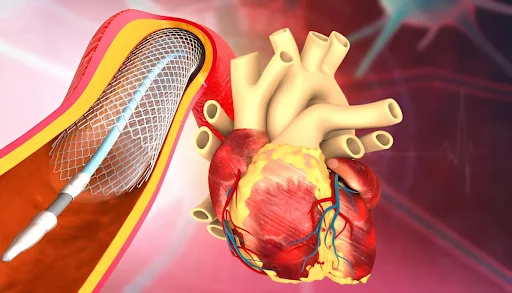

Angioplasty is one of the most effective and commonly performed procedures in interventional cardiology. As a cardiologist with extensive experience in performing angioplasties, I’ve witnessed firsthand how this life-saving procedure has transformed the treatment of coronary artery disease and given countless patients a second chance at healthy living.
Types of Angioplasty
1. Balloon Angioplasty
The original form where only a balloon is used to open the artery. However, this method has largely been replaced by stent placement due to higher rates of re-narrowing.
2. Stent Angioplasty
The most common type today, where a small metal mesh tube (stent) is placed in the artery to keep it open permanently.
3. Drug-Eluting Stent (DES)
Advanced stents coated with medication that helps prevent re-narrowing of the artery, significantly reducing the need for repeat procedures.
When is Angioplasty Recommended?
Emergency Situations
- Heart attack (ST-elevation myocardial infarction)
- Unstable angina with high-risk features
- Cardiogenic shock due to coronary blockage
Elective Procedures
- Stable angina not responding to medication
- Significant coronary blockages (>70%)
- Abnormal stress test results
- Lifestyle-limiting chest pain
The Angioplasty Procedure
Step-by-Step Process
- Preparation: Local anesthesia is administered at the catheter insertion site
- Access: A small incision is made in the wrist or groin artery
- Catheter insertion: Guide catheters are positioned at the coronary artery openings
- Wire placement: A guidewire is threaded across the blockage
- Balloon inflation: The balloon is inflated to compress the plaque
- Stent deployment: If needed, a stent is placed to keep the artery open
- Final assessment: Blood flow is checked to ensure success
Benefits of Angioplasty
- Immediate relief: Quick restoration of blood flow
- Minimally invasive: No need for open-heart surgery
- Short recovery: Most patients go home within 24-48 hours
- High success rate: Over 95% success rate in appropriate cases
- Improved quality of life: Significant reduction in chest pain and breathlessness
- Life-saving: Particularly crucial in heart attacks
Risks and Complications
While angioplasty is generally safe, potential risks include:
- Bleeding at the catheter insertion site
- Re-narrowing of the artery (restenosis)
- Blood clots in the stent
- Allergic reaction to contrast dye
- Irregular heart rhythms
- Kidney problems (rare)
- Stroke or heart attack (very rare)
Important:
The benefits of angioplasty far outweigh the risks, especially in emergency situations. Modern techniques and equipment have made the procedure extremely safe with major complication rates less than 1%.
Recovery and Post-Procedure Care
Immediate Recovery
- Bed rest for 4-6 hours after the procedure
- Regular monitoring of vital signs
- Checking the catheter insertion site for bleeding
- Starting dual antiplatelet therapy
Long-term Care
- Regular medications as prescribed
- Lifestyle modifications (diet, exercise, smoking cessation)
- Regular follow-up appointments
- Cardiac rehabilitation program
- Monitoring for any chest pain or symptoms
Life After Angioplasty
Most patients experience significant improvement in their symptoms and quality of life after angioplasty. However, it’s important to understand that angioplasty treats the blockage but doesn’t cure the underlying coronary artery disease.
Long-term Success Factors
Regular medical follow-ups
Adherence to prescribed medications
Regular exercise and physical activity
Heart-healthy diet
Smoking cessation
Stress management