Congenital heart defects are structural abnormalities of the heart that are present from birth. Among the most common types are Atrial Septal Defect (ASD), Ventricular Septal Defect (VSD), and Patent Ductus Arteriosus (PDA). Understanding these conditions is crucial for early detection and appropriate management.
What Are Congenital Heart Defects?
Congenital heart defects occur when the heart or blood vessels don’t develop normally during pregnancy. These structural problems can affect the heart’s ability to pump blood efficiently and may require medical intervention ranging from monitoring to surgical repair.
Atrial Septal Defect (ASD)
An ASD is a hole in the wall (septum) that separates the two upper chambers (atria) of the heart. This allows oxygen-rich blood from the left atrium to mix with oxygen-poor blood in the right atrium.
Symptoms of ASD
- Shortness of breath during exercise
- Fatigue and weakness
- Frequent respiratory infections
- Heart murmur detected during examination
- In severe cases: heart failure symptoms
Ventricular Septal Defect (VSD)
VSD is the most common congenital heart defect, involving a hole in the wall separating the two lower chambers (ventricles) of the heart. This causes oxygen-rich blood to flow from the left ventricle to the right ventricle.
Types of VSD
- Small VSDs: Often close on their own and may not require treatment
- Medium VSDs: May require monitoring and possible surgical repair
- Large VSDs: Usually require surgical closure to prevent complications
Patent Ductus Arteriosus (PDA)
PDA occurs when the ductus arteriosus, a blood vessel that normally closes after birth, remains open. This creates an abnormal connection between the aorta and pulmonary artery, causing extra blood flow to the lungs.
Signs and Symptoms
- Rapid breathing or breathlessness
- Poor feeding and slow weight gain in infants
- Continuous heart murmur
- Increased susceptibility to respiratory infections
- Exercise intolerance in older children
Diagnosis
Diagnostic Methods
- Echocardiogram: Primary diagnostic tool showing heart structure and function
- Chest X-ray: May show enlarged heart or increased lung markings
- ECG: Can detect irregular heart rhythms or chamber enlargement
- Cardiac catheterization: For complex cases requiring detailed assessment
- Pulse oximetry: Measures oxygen levels in the blood
Treatment Options
Non-Surgical Management
- Regular monitoring with echocardiograms
- Medications to manage symptoms (diuretics, ACE inhibitors)
- Prevention of infective endocarditis with antibiotics when needed
- Activity restrictions if recommended by cardiologist
Surgical Interventions
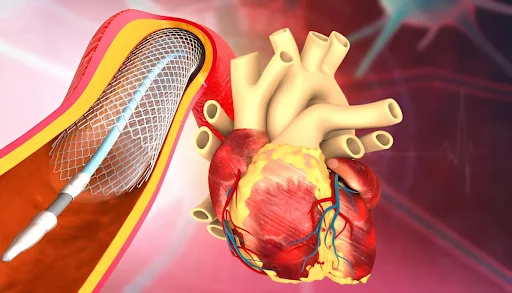
- Device closure: Minimally invasive procedure using catheter-based devices
- Open heart surgery: Direct surgical repair with patch or sutures
- Timing: Usually performed in childhood, but can be done in adults
Prognosis and Long-term Outlook
The prognosis for patients with ASD, VSD, and PDA is generally excellent with appropriate treatment. Many small defects close spontaneously, while larger ones can be successfully repaired with minimal long-term complications.
Follow-up Care
- Regular cardiology appointments
- Periodic echocardiograms to monitor heart function
- Endocarditis prophylaxis when indicated
- Exercise and activity guidelines
- Genetic counseling for family planning
Expert Congenital Heart Care
As an experienced cardiologist, I provide comprehensive evaluation and management of congenital heart defects. Early detection and appropriate treatment can ensure optimal outcomes and quality of life for patients with these conditions.