
Coronary angiography is a specialized medical procedure that provides detailed images of your heart’s blood vessels, helping diagnose and treat coronary artery disease. As an interventional cardiologist, I perform this procedure regularly to help patients understand their heart health and plan appropriate treatments.
What is Coronary Angiography?
Coronary angiography, also known as cardiac catheterization, is a minimally invasive procedure that uses contrast dye and X-rays to visualize the coronary arteries. It’s considered the gold standard for diagnosing coronary artery disease and determining the best treatment approach.
How is the Procedure Performed?
Step-by-Step Process
- Preparation: Local anesthesia is applied to the insertion site (usually wrist or groin)
- Catheter insertion: A thin, flexible tube is inserted into the artery
- Navigation: The catheter is guided to the coronary arteries
- Contrast injection: Special dye is injected through the catheter
- Imaging: X-ray images are taken to visualize blood flow
- Assessment: Any blockages or narrowing are identified and evaluated
When is Angiography Recommended?
Common Indications
- Chest pain (angina) that doesn’t respond to medication
- Abnormal stress test results
- Heart attack (acute or previous)
- Unexplained heart failure
- Before major surgery in high-risk patients
- Evaluation of heart valve problems
Preparation for the Procedure
Pre-procedure Instructions
- Fast for 6-8 hours before the procedure
- Inform your doctor about all medications and allergies
- Arrange for someone to drive you home
- Wear comfortable, loose-fitting clothes
- Remove jewelry and metal objects
Risks and Complications
While generally safe, coronary angiography carries some risks:
- Bleeding or bruising at the insertion site
- Allergic reaction to contrast dye
- Irregular heart rhythms
- Kidney problems (rare)
- Stroke or heart attack (very rare)
Important Note:
The benefits of accurate diagnosis far outweigh the risks. Modern techniques and equipment have made angiography extremely safe with complication rates less than 1%.
After the Procedure
Recovery Guidelines
- Rest for several hours after the procedure
- Keep the insertion site clean and dry
- Avoid heavy lifting for 24-48 hours
- Drink plenty of fluids to help eliminate the contrast dye
- Follow up with your cardiologist as scheduled
Treatment Planning
Based on angiography results, treatment options may include:
- Medication management
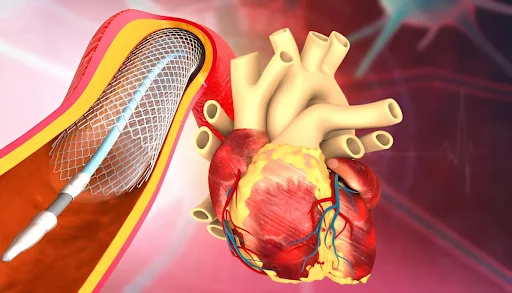
- Angioplasty with stent placement
- Coronary artery bypass surgery
- Lifestyle modifications
Expert Cardiac Care
As an experienced interventional cardiologist, I ensure that every angiography procedure is performed with the highest standards of safety and accuracy. Early detection and proper treatment planning can significantly improve your heart health outcomes.
Book Consultation Call: +91-9373511338