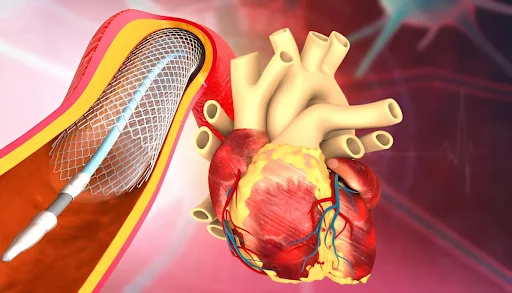

Atrial fibrillation (AFib) is the most common irregular heart rhythm, affecting millions of people worldwide. As a cardiologist with extensive experience in managing rhythm disorders, I’ve seen how proper diagnosis and treatment can dramatically improve patients’ quality of life and reduce serious complications.
What is Atrial Fibrillation?
Atrial fibrillation is a heart rhythm disorder where the heart’s upper chambers (atria) beat irregularly and often rapidly. Instead of contracting normally, the atria quiver or fibrillate, leading to an irregular and often fast heartbeat.
Types of Atrial Fibrillation
- Paroxysmal AFib: Episodes that come and go, usually lasting less than 7 days
- Persistent AFib: Continuous AFib lasting more than 7 days
- Long-standing persistent AFib: Continuous AFib lasting more than 12 months
- Permanent AFib: AFib that cannot be converted to normal rhythm
Causes and Risk Factors
Common Causes
- High blood pressure
- Coronary artery disease
- Heart valve problems
- Heart failure
- Overactive thyroid
- Sleep apnea
- Excessive alcohol consumption
Risk Factors
- Age (risk increases with age)
- Family history of AFib
- Obesity
- Diabetes
- Chronic kidney disease
- European ancestry
Symptoms
Some people with AFib have no symptoms, while others experience:
- Heart palpitations (rapid, fluttering, or pounding heartbeat)
- Fatigue and weakness
- Shortness of breath
- Chest pain or pressure
- Dizziness or lightheadedness
- Reduced exercise tolerance
- Confusion (in elderly patients)
Diagnosis
Diagnostic Tests
- ECG (Electrocardiogram): Primary test to diagnose AFib
- Holter monitor: 24-48 hour continuous heart rhythm monitoring
- Event monitor: Longer-term monitoring for intermittent symptoms
- Echocardiogram: Evaluates heart structure and function
- Blood tests: Check for thyroid problems and other conditions
Complications
Serious Complications of Untreated AFib:
- Stroke: 5 times higher risk due to blood clots
- Heart failure: Weakened heart muscle over time
- Cognitive decline: Reduced blood flow to the brain
- Other embolic events: Blood clots to other organs
Treatment Options
Rate Control
Medications to control heart rate while allowing AFib to continue:
- Beta-blockers
- Calcium channel blockers
- Digoxin
Rhythm Control
Strategies to restore and maintain normal heart rhythm:
- Cardioversion: Electric shock or medications to reset rhythm
- Antiarrhythmic medications: Drugs to maintain normal rhythm
- Catheter ablation: Procedure to destroy abnormal heart tissue
- Surgical maze procedure: Open-heart surgery for complex cases
Anticoagulation
Blood thinners to prevent stroke and blood clots:
- Warfarin (traditional blood thinner)
- Direct oral anticoagulants (DOACs): rivaroxaban, apixaban, dabigatran
- Left atrial appendage closure devices (for those who can’t take blood thinners)
Lifestyle Management
- Maintain a healthy weight
- Exercise regularly (as approved by your doctor)
- Limit alcohol consumption
- Manage stress effectively
- Control blood pressure and diabetes
- Treat sleep apnea if present
- Avoid excessive caffeine
Expert AFib Management
Managing atrial fibrillation requires a comprehensive, individualized approach. With proper treatment, most people with AFib can lead normal, active lives while significantly reducing their risk of stroke and other complications.